Since the late 20th Century, we have been experiencing an unprecedented environmental, social and cultural crisis. In the face of the destruction of our ecosystems and increasing social conflict, our belief that higher technology and the pursuit of greater economic development will guarantee our well-being is confronting us with new ideas about ourselves and the world we live in.
 Unexpectedly, the changes that have revolutionized both transport and communications globalize life and are turning countries more and more dependent on the political and economic variables that sustain the very structure of capitalism. However, our current social context also enables us to consider other alternatives. Thanks to the media, we can see the problems that affect our planet, the rise in unemployment, wars, ecological catastrophes, hunger and the spreading of epidemics, in an entirely new dimension. As global awareness sharpens, the environmental and social deterioration we experience limits unmeasured progress and development and leads us to reflect upon how we feel and where we stand in the world around us.
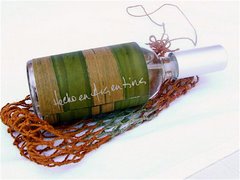
 Highly recommended, is a visit to a Wichi village in the northern region of Argentina. On arriving, can you truly understand how dependent these people are on the forest that surrounds them and the river that runs through their territory. They are traditionally and closely related to nature and what it has to offer. This is where they find their food and the raw materials for everything they do and make. While the men are out fishing in the rivers, hunting, or gathering honey, the Wichi women, always with their children by their side, gather fruit in the forests nearby or sit at their looms weaving. For centuries they have used the strong fibers of the "chaguar" plant for weaving nets and making purses and other textile goods. Their art combines form and color in the ancient codes of their native artistic expression and some communities base a substantial part of their economy on the selling of their chaguar handicrafts.

The experience may help us to shake off our indifference towards the “cultural other” and to try, through acts of solidarity, to revert the exclusive and isolated situation in which these communities currently find themselves.
There is a lot we can learn.
 Connecting is looking for native English-speakers who would like to participate in its programs by teaching English in rural locations throughout Argentina, mainly in Cordoba Province. Those selected for the program benefit greatly from the opportunity to live with families in rural pueblos. It offers the opportunity of immersing in the real Argentina while gaining valuable teaching experience and building the Spanish skills.